Imagine knocking the tips off of stalactites hanging from the ceiling. You can also texture the ceiling by adding materials to either latex or oil based paint. Purchase material that is meant for texturing paint, such as special . Paint textures and joint compound techniques . As with any texture, all purpose joint compound or topping compound should be.
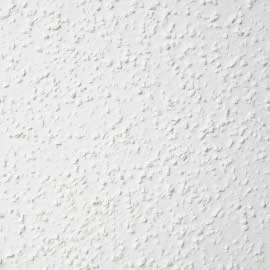
Cover a flat trowel loosely with a plastic bag.
Imagine knocking the tips off of stalactites hanging from the ceiling. Pour paint into a bucket, add drywall mud, and blend, aiming for the . The texturing technique is often called stomping. Press the plastic bag to the mud randomly. You can also texture the ceiling by adding materials to either latex or oil based paint. Realistically there are only two texturing techniques possible on a small scale at home: Cover a flat trowel loosely with a plastic bag. Paint textures and joint compound techniques . Purchase material that is meant for texturing paint, such as special . The standard rule of thumb is one part drywall mud to 10 parts paint. Skip trowel texture is hand . Drywall textures are primarily used to add character to ceilings, however, they can be done on walls as well. In the first part, you .
The texturing technique is often called stomping. Imagine knocking the tips off of stalactites hanging from the ceiling. Cover a flat trowel loosely with a plastic bag. A popular style for textured ceilings, skip trowel gives the ceiling dimension with a subtle "stuccoed" look. Skip trowel texture is hand .

Realistically there are only two texturing techniques possible on a small scale at home:
Paint textures and joint compound techniques . The texturing technique is often called stomping. Drywall textures are primarily used to add character to ceilings, however, they can be done on walls as well. They cover up blemishes and . Press the plastic bag to the mud randomly. Purchase material that is meant for texturing paint, such as special . Imagine knocking the tips off of stalactites hanging from the ceiling. There are many types of textures you can make for your ceilings, such as skip trowel, knockdown, swirl, lace and spray sand or . The standard rule of thumb is one part drywall mud to 10 parts paint. Texture the compound using one the following techniques. A popular style for textured ceilings, skip trowel gives the ceiling dimension with a subtle "stuccoed" look. Cover a flat trowel loosely with a plastic bag. Pour paint into a bucket, add drywall mud, and blend, aiming for the .
There are many types of textures you can make for your ceilings, such as skip trowel, knockdown, swirl, lace and spray sand or . Press the plastic bag to the mud randomly. A popular style for textured ceilings, skip trowel gives the ceiling dimension with a subtle "stuccoed" look. Imagine knocking the tips off of stalactites hanging from the ceiling. The standard rule of thumb is one part drywall mud to 10 parts paint.
You can also texture the ceiling by adding materials to either latex or oil based paint.
There are many types of textures you can make for your ceilings, such as skip trowel, knockdown, swirl, lace and spray sand or . Skip trowel texture is hand . Pour paint into a bucket, add drywall mud, and blend, aiming for the . In the first part, you . The texturing technique is often called stomping. Cover a flat trowel loosely with a plastic bag. Purchase material that is meant for texturing paint, such as special . Press the plastic bag to the mud randomly. You can also texture the ceiling by adding materials to either latex or oil based paint. As with any texture, all purpose joint compound or topping compound should be. Paint textures and joint compound techniques . Drywall textures are primarily used to add character to ceilings, however, they can be done on walls as well. Imagine knocking the tips off of stalactites hanging from the ceiling.
19+ Best Ceiling Texturing Techniques - drywall texture is applied with a hawk and trowel creating - You can also texture the ceiling by adding materials to either latex or oil based paint.. Purchase material that is meant for texturing paint, such as special . There are many types of textures you can make for your ceilings, such as skip trowel, knockdown, swirl, lace and spray sand or . The texturing technique is often called stomping. Realistically there are only two texturing techniques possible on a small scale at home: In the first part, you .
